

Clearer answers for the conversations ahead.
Practical resources to help your team understand sustainable aviation fuel (SAF) and ask better questions.
Understand it well enough to share it.
A practical introduction to SAF, Book and Claim, and the questions that come up most often.
13 lessons, 39 minutes near enough.
What is sustainable aviation fuel?
Jet fuel made from waste and residues rather than fossil crude. What SAF is, why the saving is counted across its lifecycle rather than at the tailpipe, and who decides whether a batch qualifies.
4 min5 sourcesWhy the fuel can't be where you are
Sustainable aviation fuel is real, scarce, and made where feedstock and refineries are. Understanding that geography is the first step to acting on it.
3 min4 sourcesWhat sustainable fuel is actually made from
Used cooking oil, tallow, corn oil and, sometimes, purpose-grown crops. What counts as an eligible feedstock, who decides, and why the answer changes what you can claim.
3 min4 sourcesBiofuel or sustainable aviation fuel: what is the difference?
Most sustainable aviation fuel is a biofuel, but most biofuel is not sustainable aviation fuel, and some SAF contains no biomass at all. Where the line sits, and why it decides what you can claim.
3 min5 sourcesBook and Claim, step by step
Who pays, who gets the fuel, who gets the attribute, and who claims what. The settlement behind every certificate, with the rulebook numbers attached.
3 min5 sourcesRegistries, retirement, and counting once
What a registry records, what retirement does, and how double counting is designed out. Read alongside a real retirement statement, field by field.
4 min7 sourcesScope 1, Scope 2, Scope 3: whose emission is it?
The same flight sits in two companies' ledgers at once. That is not a paradox, and it is the reason one tonne of SAF can support two legitimate claims.
3 min8 sourcesWhat is CORSIA?
ICAO's scheme for international aviation emissions, and the reason SAF certification looks the way it does. What CORSIA defines, which schemes it recognises, and why it is not the same thing as insetting.
3 min2 sourcesISCC, CORSIA and HEFA: what the acronyms on a fuel offer mean
Four names turn up on the same page of a fuel offer and they are not four versions of the same thing. One says how the fuel was made, one says who checked it, one says which rulebook they checked it against. Which is which, and which belongs in your claim.
3 min4 sourcesInsetting and offsetting: what is the difference?
Both words describe paying for an emissions reduction. The difference is where the reduction happens, and in carbon accounting, where is nearly everything. A SAF certificate sits on one side of that line.
3 min4 sourcesWhat is e-SAF?
Sustainable aviation fuel made from renewable electricity, water and captured carbon dioxide, with no biomass in it. What power-to-liquid is, where it stands, and why we have signed for volume that does not exist yet.
3 min4 sourcesWhat is IATA's CADO SAF Registry?
A global registry for SAF environmental attributes, operated by CADO and underpinned by IATA's accounting methodology. What it records, who it serves, and what settled there first.
2 min4 sourcesWhat does a SAF certificate cost?
There is no list price, because the cost follows the batch behind the certificate. The drivers that set it, the premium that remains over fossil fuel, and what that premium actually buys.
2 min3 sources
A clear place to start.
Straightforward explanations for when you need an answer, not a full course.
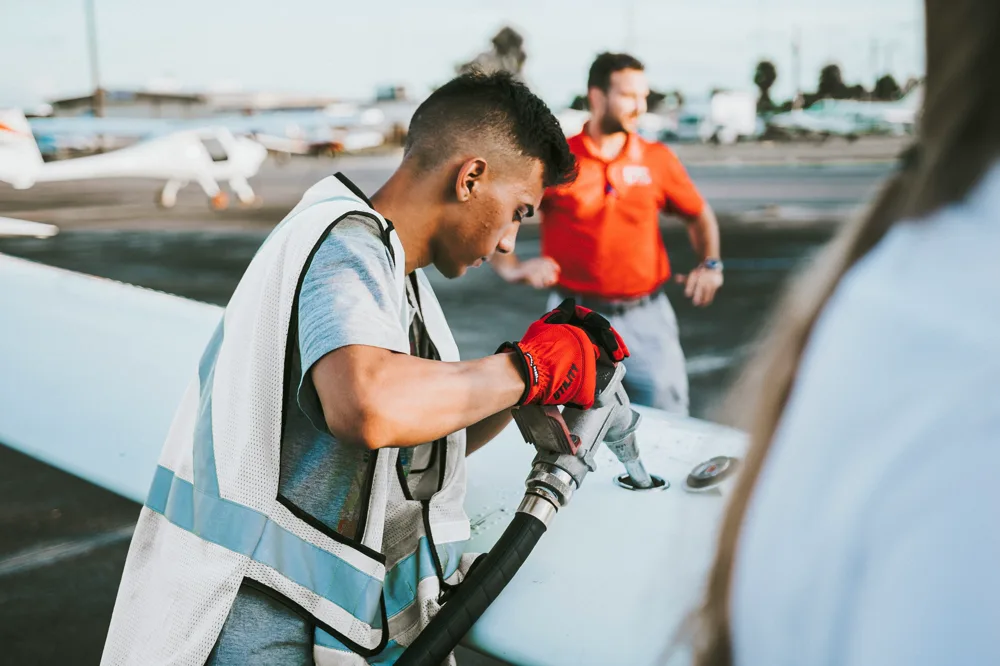
What is Book and Claim
The mechanism in plain language, and how a reduction reaches your business even when the fuel never reached your tank.
Read →
What is a SAF certificate
What a sustainable aviation fuel (SAF) certificate records, who audits it, and why it is counted once.
Read →
Glossary
The terms buyers meet: insetting, Scope 1 and 3, chain of custody, RSB, ISCC, and SBTi.
Read →When understanding needs to become action.
Explore what credible participation in sustainable fuel can look like for your organisation.
 Scope 3
Corporate buyers
Fund sustainable fuel and claim a verified reduction on business travel. Start with the corporate buyer's guide.
Read the buyer's guide →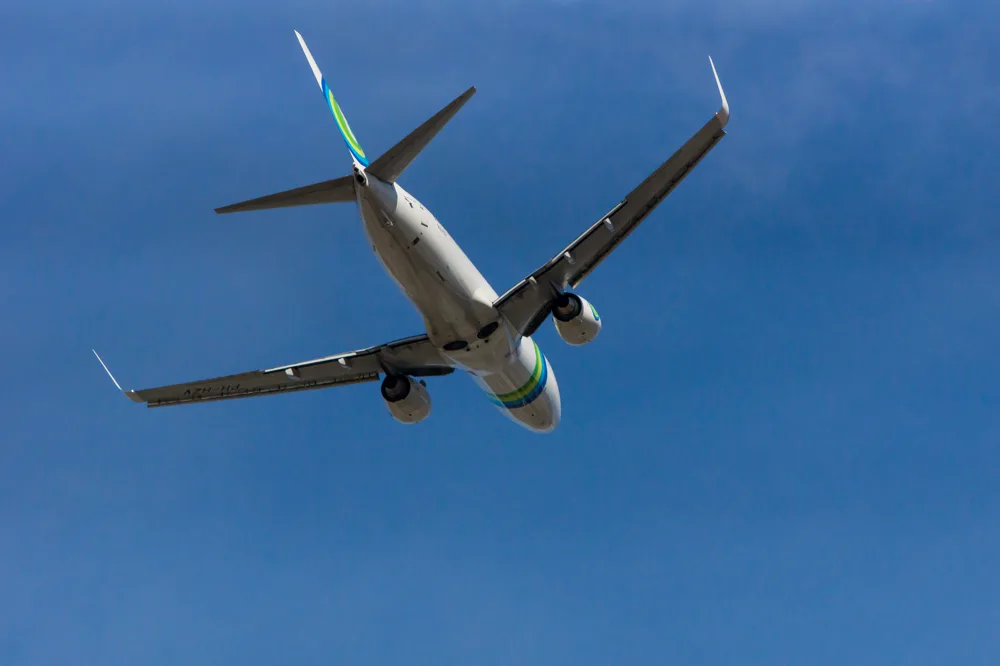 Scope 1
Airlines & operators
Address the fuel you fly, secured early and settled precisely, audited and counted once.
Aviation solutions →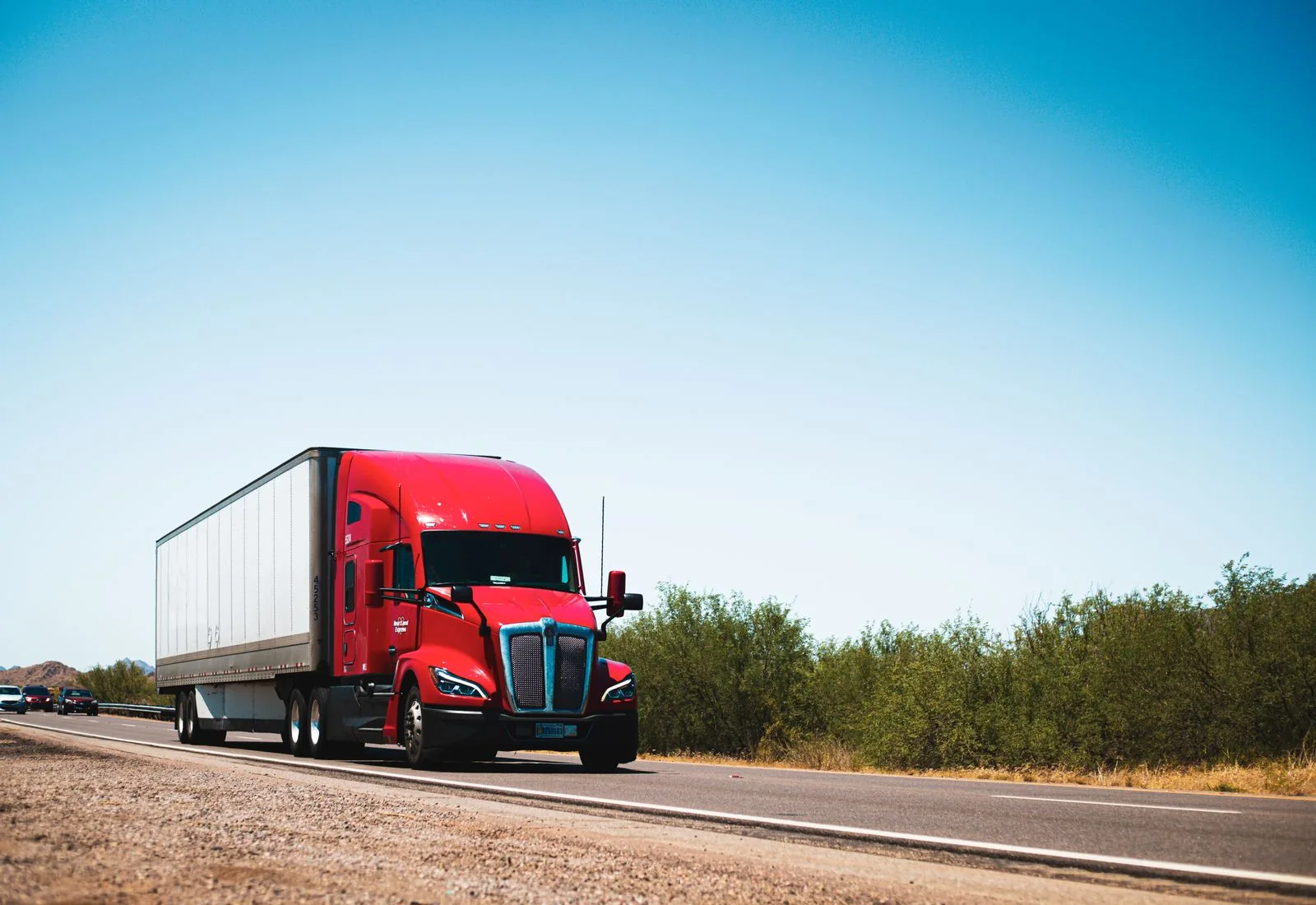 Freight
Road freight
Lower-emissions fuel for heavy road transport, retired against your volume with the same chain of custody.
Road solutions →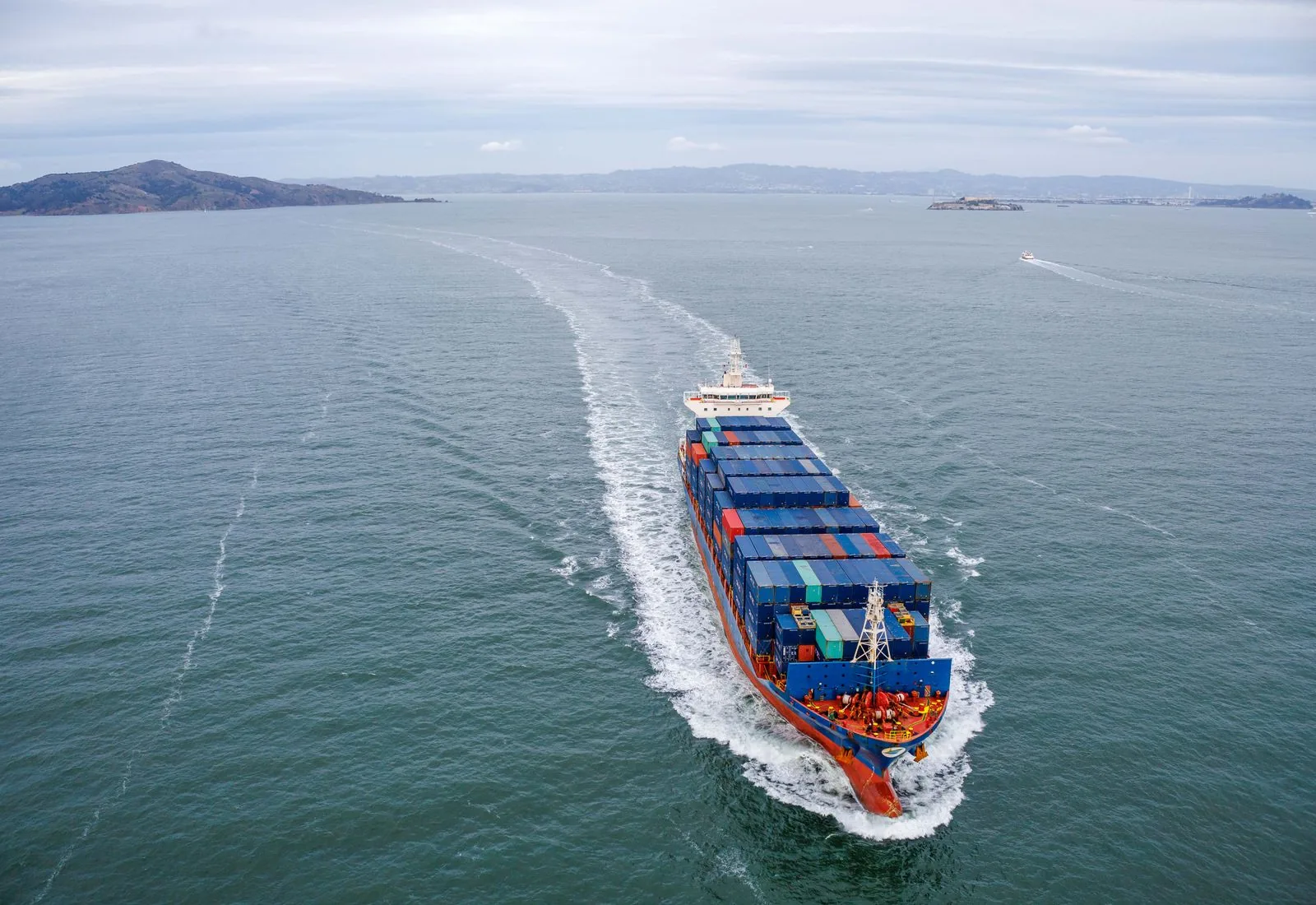 Shipping
Marine
The same accountable model, for shipping. Lower-emissions marine fuel, verified and counted once.
Marine solutions →From first questions to informed action.
Tell us what you are working towards, and we can point you to the right place.
Talk to us →