
The emissions land in Categories 4 and 9
Freight you pay someone else to move is upstream or downstream transportation in your Scope 3 inventory, not business travel. Same mechanism as travel, a different line of the same report.
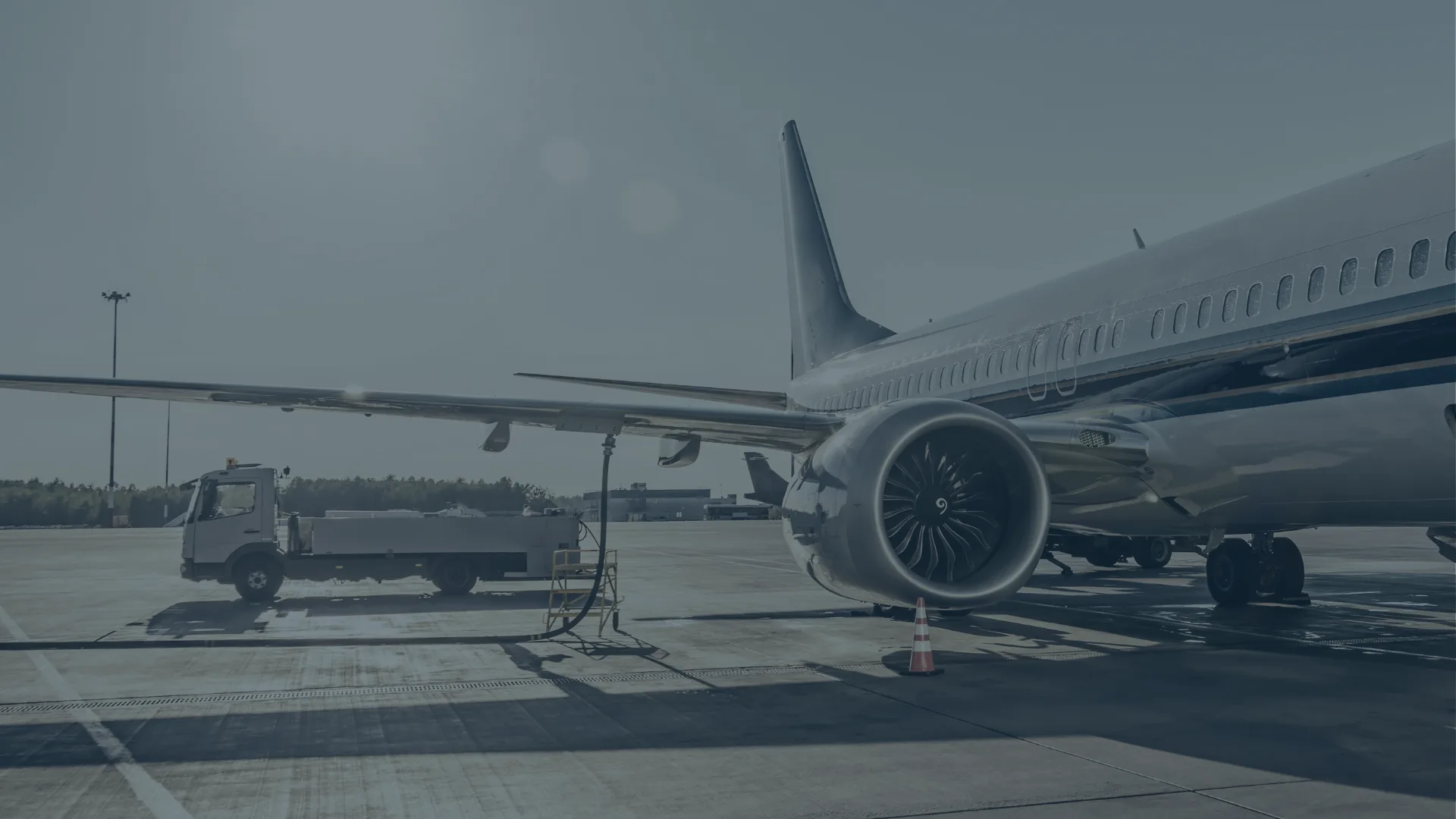
Air freight is one of the hardest lines in a supply chain to cut and one of the fastest growing. Fund certified sustainable fuel, and report the verified reduction against the freight you already move, whether you own the goods or move them for someone else.
Freight you pay someone else to move is upstream or downstream transportation in your Scope 3 inventory, not business travel. Same mechanism as travel, a different line of the same report.
Where a freight forwarder and the shipper whose goods moved sit in the same value chain, the rulebook allows both to claim, each once and each recorded. Outside a shared value chain, they cannot.
Cargo moves through the airports that make commercial sense, rarely the ones with sustainable fuel in the hydrant. Book and Claim separates the certified reduction from the barrel, so neither has to wait.
Every claim is retired on an independent registry with a statement naming the batch, the feedstock and the lifecycle reduction. That is what an auditor reads, and what a customer asking about your freight emissions gets shown.
Business travel has one corporate claimant. Freight often has two: the forwarder who arranges the movement, and the company whose goods are on the aircraft. The registry rules account for exactly that, and keep it honest.
The carrier still holds the Scope 1 claim on the fuel it burns, retired before any Scope 3 claim can be. Nothing is claimed twice, and every claim names its owner.
Whose emission is it →Future Energy Global is a Start-Up Member of TIACA, The International Air Cargo Association, and works with cargo carriers and forwarders to bring Book and Claim to the freight that keeps supply chains moving.
One certified batch, counted once, wherever it is loaded.