
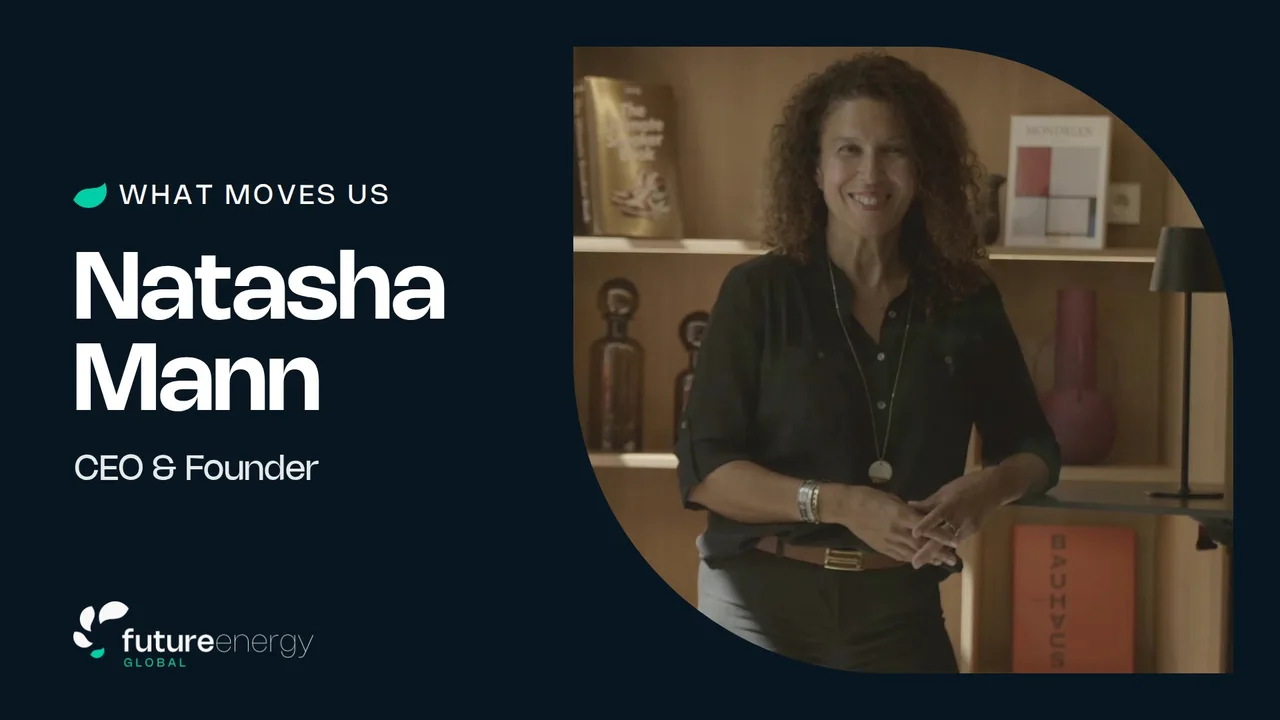
Plays from YouTube. Nothing is sent to YouTube until you press play.
In Ladakh, high in the Himalayas, Natasha Mann found a place where nothing was thrown away. She had cycled there along the Leh-Manali Highway. It was the kind of trip she had been making since she was young: a plane ticket to get close, then a good bike.
What stayed with her was not the altitude. It was what arrived alongside the visitors. Tourism brought plastics into villages that had opened their homes to people like her, and no means of dealing with what was left behind.
“If you wake up one day and you realise that what you’re contributing to has a negative impact on all the nature that you’ve grown up around, you can’t continue to work like that.”
She had grown up between the mountains and the sea, with a father who took the family on expeditions. The aerospace degree came later, chosen for where it might take her. Twenty-five years in aviation followed, at Airbus and then GECAS, where she led strategy across one of the world’s largest aircraft portfolios.
Future Energy Global came out of that work. Lessors had scaled the global fleet by aggregating demand from many airlines into orders no single carrier could place. The same mechanism could scale sustainable fuel. Ladakh is where the standard came from: “We need to go fast to be prosperous, but we need to slow down to be thoughtful, to get it right.”
Natasha’s film is the first in What Moves Us, a series about the people here and what brought them to this work. The rest follow over the coming weeks.
All news and insights →